We explore how multiple AI systems can negotiate and resolve disagreements among themselves, rather than working in isolation, to deliver more accurate and reliable decisions. This approach reduces errors and makes AI operations more transparent and auditable.
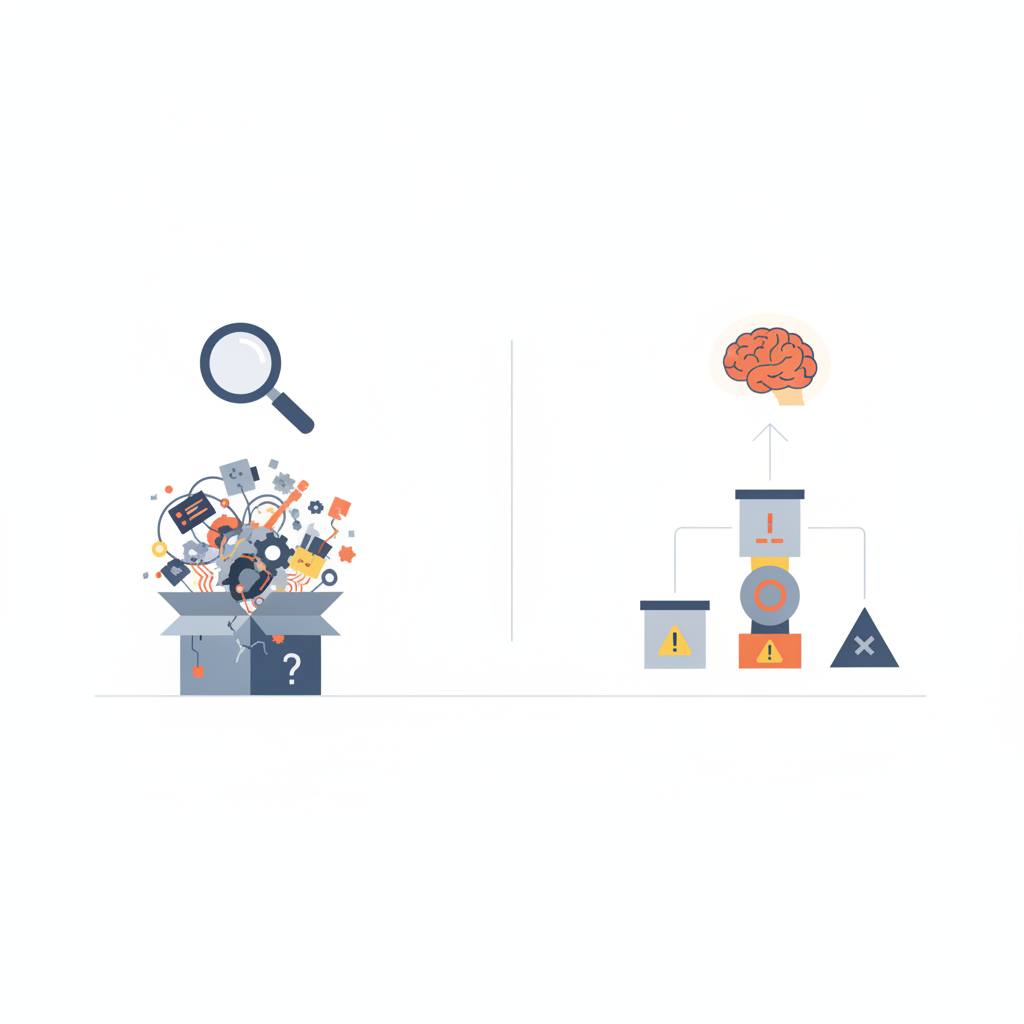
Have you ever wondered what happens when two AI experts don't agree? In our digital world today, AI code review tools have become an essential part of software development. But as recent news highlights, there's a common weakness: often, it's a 'single AI voice' making a lone judgment. Even 'multi-agent' systems (where several AIs work together) often just divide tasks without a real mechanism to resolve disagreements. This means the burden of sorting out conflicting advice falls back on the human developer, wasting valuable time and effort.
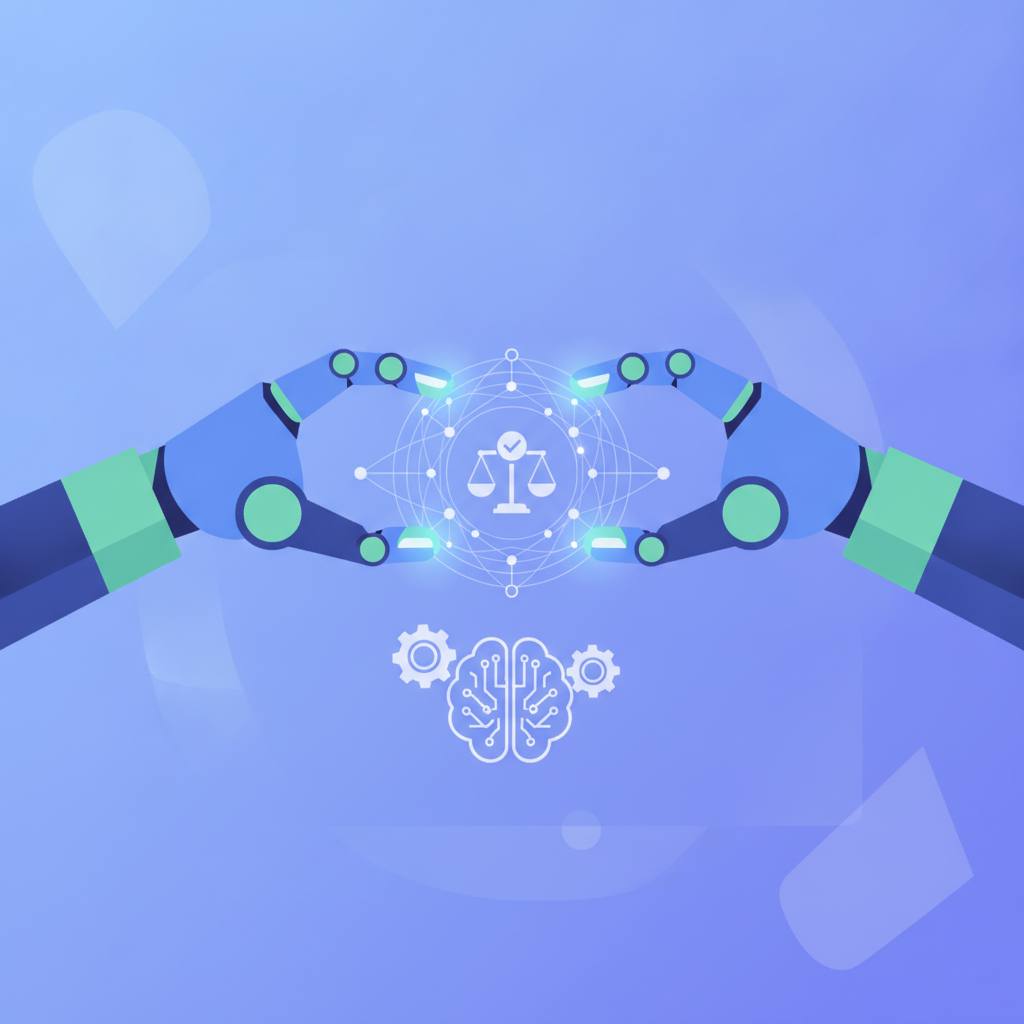
This is where the concept of 'multi-agent systems with negotiation' steps in as a clever solution. Imagine, instead of each AI expert working in isolation or simply giving their opinion and leaving it to you, these experts could actually talk and negotiate with each other. Think of it like a 'tribunal' or a 'panel of experts' made up of AI. When one AI finds a potential issue and another disagrees about its severity, they don't just ignore the conflict. Instead, they enter into a structured discussion process to reach a shared decision.
To simplify this idea, picture a team of doctors discussing a complex patient case. Each doctor has their specialty and perspective. One might believe symptoms point to a specific problem, while another sees it as less severe. Instead of each doctor giving the patient separate, potentially confusing advice, they sit together, discuss the evidence, share their knowledge, and try to reach the best agreed-upon diagnosis and treatment plan. This collaborative approach significantly boosts the accuracy and reliability of the final decision.
In the new system mentioned in the news, these negotiations don't rely on AI 'gut feelings' or vague confidence numbers. Instead, each AI agent picks a clear, defined categorical position: 'DEFEND' the code, 'PARTIAL' (indicating a minor issue), or 'CONCEDE' (acknowledging a significant problem). This makes the process highly auditable and transparent, significantly reducing false positives (errors that the AI sees but aren't actually there). This saves time and improves software quality. The ability for AI systems to negotiate and resolve disagreements represents a significant leap towards more intelligent and reliable systems in the future.
This is where the concept of 'multi-agent systems with negotiation' steps in as a clever solution. Imagine, instead of each AI expert working in isolation or simply giving their opinion and leaving it to you, these experts could actually talk and negotiate with each other. Think of it like a 'tribunal' or a 'panel of experts' made up of AI. When one AI finds a potential issue and another disagrees about its severity, they don't just ignore the conflict. Instead, they enter into a structured discussion process to reach a shared decision.
To simplify this idea, picture a team of doctors discussing a complex patient case. Each doctor has their specialty and perspective. One might believe symptoms point to a specific problem, while another sees it as less severe. Instead of each doctor giving the patient separate, potentially confusing advice, they sit together, discuss the evidence, share their knowledge, and try to reach the best agreed-upon diagnosis and treatment plan. This collaborative approach significantly boosts the accuracy and reliability of the final decision.
In the new system mentioned in the news, these negotiations don't rely on AI 'gut feelings' or vague confidence numbers. Instead, each AI agent picks a clear, defined categorical position: 'DEFEND' the code, 'PARTIAL' (indicating a minor issue), or 'CONCEDE' (acknowledging a significant problem). This makes the process highly auditable and transparent, significantly reducing false positives (errors that the AI sees but aren't actually there). This saves time and improves software quality. The ability for AI systems to negotiate and resolve disagreements represents a significant leap towards more intelligent and reliable systems in the future.