OmniTrust has open-sourced its Identity Lifecycle Management (ILM) tool to meet the demands of future trust infrastructure. This collaborative approach is vital for tackling the growing complexities of cybersecurity across various platforms.
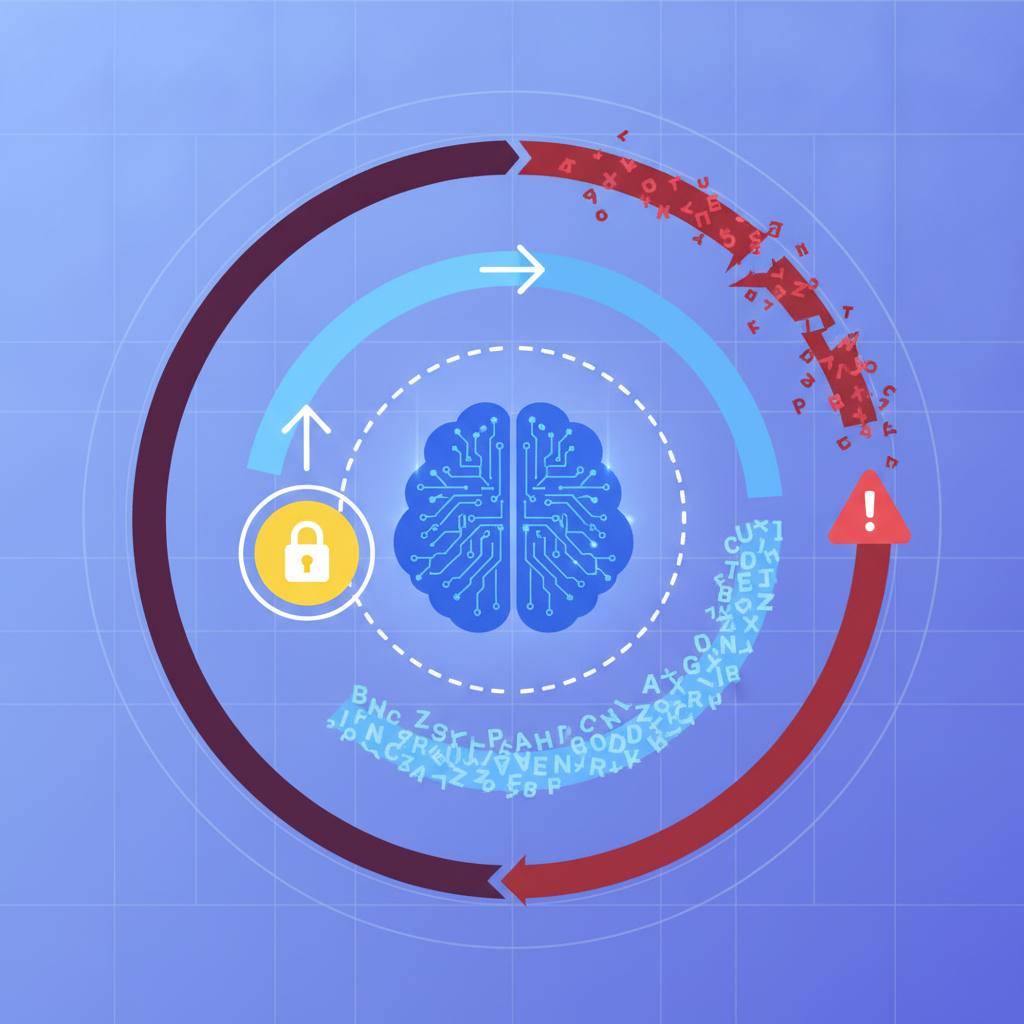
OmniTrust is looking ahead to the future of trust infrastructure, and that's why they've open-sourced their Identity Lifecycle Management (ILM) tool. This means security isn't just a background task anymore; it's a core part of everything we do in the digital world today, affecting every service we use. Over the years, trust infrastructure has changed a lot. It’s no longer just about digital certificates. Now, it includes cloud platforms, software supply chains, machine identities, cryptographic keys, secrets, digital signatures, containers, APIs, and even systems powered by AI. Every new app, service, workload, or device adds another layer of complexity to this interconnected web. Organizations are now preparing for post-quantum cryptography, adjusting to shorter certificate lifetimes, and automating trust operations on a scale that was hard to imagine just a few years ago. As this trust infrastructure becomes more connected, managing each piece separately isn't enough. Organizations need a single, unified way to manage, integrate, govern, and automate trust infrastructure across their entire operations. This is the main reason OmniTrust decided to open-source ILM. They chose to build ILM in the open because they believe this is how trust infrastructure will grow. Trust doesn’t exist alone; it spans certificate authorities, PKI platforms, vaults, HSMs, cloud providers, software supply chains, enterprise applications, and technologies that keep emerging. No single organization can cover all these areas by itself and provide a complete solution. Open-sourcing allows everyone to work together and contribute to building a stronger, more adaptable security system for our shared digital future. This approach makes sure that trust infrastructure can keep up with new challenges and provide the necessary security for everyone.