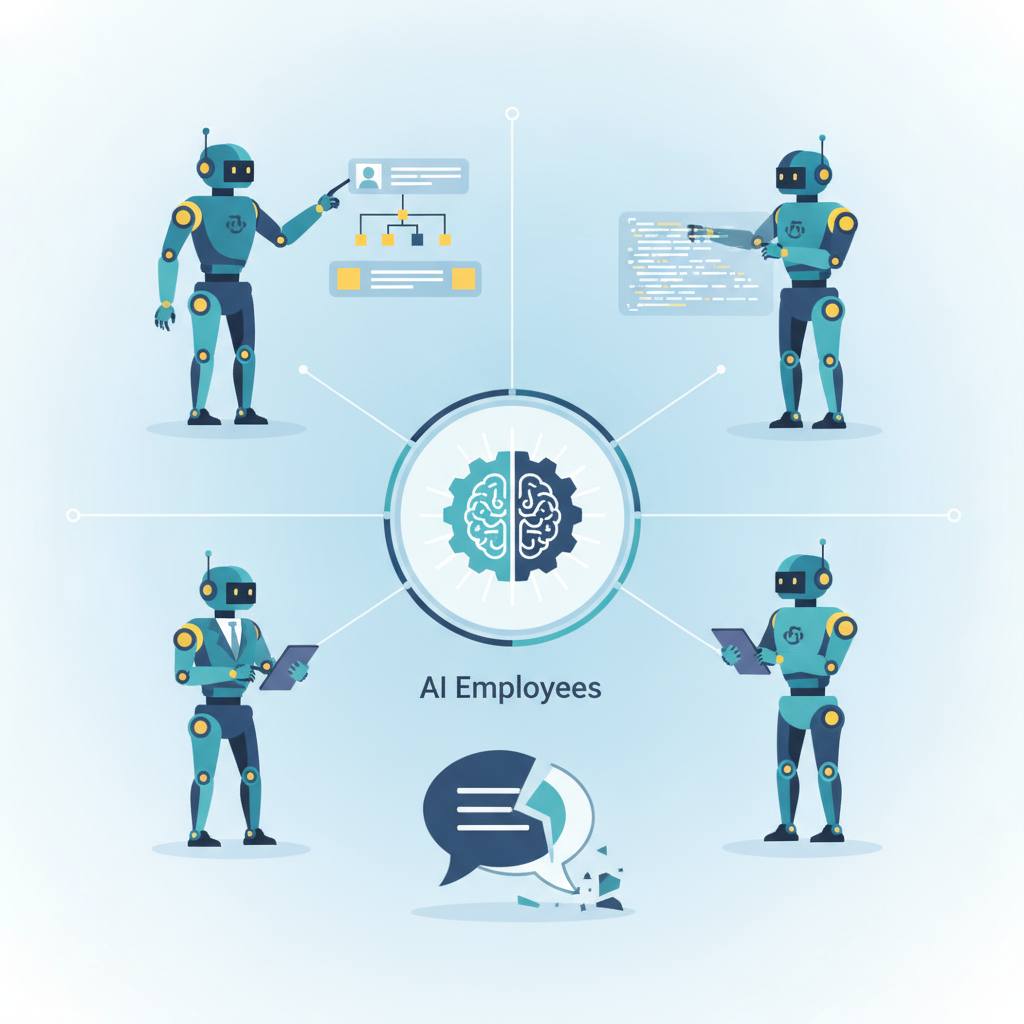
For too long, AI products have been simple chatbots. But a new idea is emerging: AI employees that complete entire tasks autonomously, moving beyond just answering questions.
It's time we stop building traditional AI chatbots and start thinking about AI as a real employee. What this means for you is that your interaction with AI will fundamentally change, moving from just a conversation to actual, structured work getting done.
For the past few years, most AI products have looked the same: a text box, a send button, and a chatbot. You type a question, and AI gives you an answer. You repeat this process. We took one of the most powerful technologies ever created and essentially turned it into a chat window. Perhaps we've been thinking too small. The future of AI isn't just another chatbot; it's AI that can actually do the work.
Think about how most AI applications work today. You open the app and write: 'Analyze this production incident.' The AI responds. Then you say: 'Check the logs.' It responds. Then: 'Find the root cause.' Another response. Then: 'Create a fix.' Another response. Then: 'Write the postmortem.' You are manually moving the AI through every single step. The AI isn't truly working; you're working 'through' the AI. That's the core problem.
Now, imagine something completely different. You give the AI one single goal: 'Investigate the production incident and prepare a postmortem.' What does the AI do? It reads the alert, checks monitoring data, searches application logs, reviews recent deployments, compares recent code commits, identifies possible causes, runs diagnostic tools, verifies the root cause, creates a postmortem, and suggests preventive actions. Then, it delivers the final report to you. You didn't manage every prompt or command; you managed the ultimate outcome. That's a completely different AI experience.
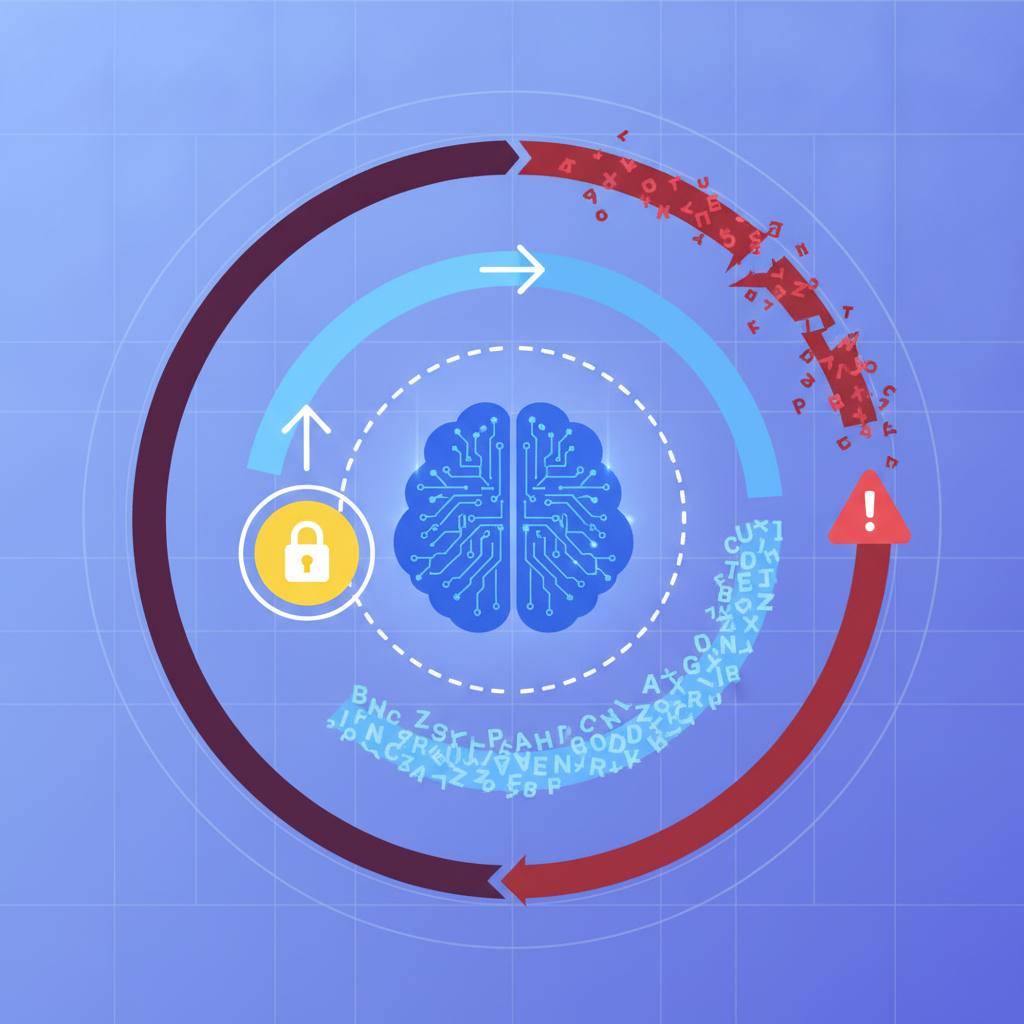
Chatbots are designed around conversations; AI agents, or AI employees, are designed around goals. The difference is straightforward: A chatbot is a 'Prompt → Response' loop, whereas an AI employee follows a 'Goal → Plan → Execute → Observe → Decide → Improve → Complete' cycle. One answers questions, while the other genuinely moves work forward. This is the big shift AI builders need to understand. Users don't always want to talk to software; sometimes, they just want the work completed.
For the past few years, most AI products have looked the same: a text box, a send button, and a chatbot. You type a question, and AI gives you an answer. You repeat this process. We took one of the most powerful technologies ever created and essentially turned it into a chat window. Perhaps we've been thinking too small. The future of AI isn't just another chatbot; it's AI that can actually do the work.
Think about how most AI applications work today. You open the app and write: 'Analyze this production incident.' The AI responds. Then you say: 'Check the logs.' It responds. Then: 'Find the root cause.' Another response. Then: 'Create a fix.' Another response. Then: 'Write the postmortem.' You are manually moving the AI through every single step. The AI isn't truly working; you're working 'through' the AI. That's the core problem.
Now, imagine something completely different. You give the AI one single goal: 'Investigate the production incident and prepare a postmortem.' What does the AI do? It reads the alert, checks monitoring data, searches application logs, reviews recent deployments, compares recent code commits, identifies possible causes, runs diagnostic tools, verifies the root cause, creates a postmortem, and suggests preventive actions. Then, it delivers the final report to you. You didn't manage every prompt or command; you managed the ultimate outcome. That's a completely different AI experience.
Chatbots are designed around conversations; AI agents, or AI employees, are designed around goals. The difference is straightforward: A chatbot is a 'Prompt → Response' loop, whereas an AI employee follows a 'Goal → Plan → Execute → Observe → Decide → Improve → Complete' cycle. One answers questions, while the other genuinely moves work forward. This is the big shift AI builders need to understand. Users don't always want to talk to software; sometimes, they just want the work completed.